
EDUCATION
HEALTH
INCLUSION
DEVELOPMENT
PEOPLE
COMMUNITIES
OPPORTUNITIES
A MORE JUST WORLD
PROGRAM 360PROFESSIONAL TRAINING AND CERTIFICATION
Education · Health · Leadership · Neurodiversity · Interculturality · Artificial Intelligence
Training Areas
Education · Health · Leadership · Neurodiversity · Interculturality · Artificial Intelligence. International professional training tailored to the needs of each institution.
Teacher wellbeing · neurodiversity · educational inclusion · artificial intelligence · ADHD · ASD · specific learning difficulties · bullying · burnout · family · community · intercultural psychology · migratory grief · Latin America and Europe · educational leadership.
Healthcare burnout · mental health · nursing · hospital leadership · clinical communication · neurodiversity · grief · fatigue · violence prevention · artificial intelligence.
Leadership · executive management · artificial intelligence · negotiation · talent management · neurodiversity · executive burnout · workplace mental health · cultural diversity.
Migratory grief · identity · adaptation · belonging · workplace integration · intercultural communication · psychosocial health · Europe and Latin America.
INTERNATIONAL REFERENCE FRAMEWORK
Our programs are aligned with international benchmark principles and objectives in education, health, inclusion, labor, and professional development.
SDGs 3, 4, 8 and 10.
Inclusive education and ethical, responsible use of Artificial Intelligence.
Mental health, wellbeing, and prevention of psychosocial risks.
Art. 24 – Education and Art. 27 – Work and employment.
Competencies, professional development, inclusion, and wellbeing.
These references express thematic and methodological alignment and do not imply sponsorship or accreditation by these organizations.
INTERNATIONAL WEEKLY SCHEDULE
Workshops in Spanish · German · English
| Day | Time | Language | Workshop |
|---|---|---|---|
Monday | 09:00–12:00 | Spanish | Artificial Intelligence Applied to Neurodiversity and Educational Inclusion |
Monday | 09:00–15:00 | German | Teacher Well-Being, Neurodiversity, and School Inclusion |
Monday | 14:00–18:00 | English | Mental Health, Stress, and Well-Being in the Workplace |
Tuesday | 09:00–13:00 | German | Latin America and Europe in Schools – Intercultural Psychology, Education, and Inclusion |
Tuesday | 09:00–13:00 | German | Artificial Intelligence for Leadership and Management |
Tuesday | 09:00–15:00 | English | 360 Leadership – Team Direction and Management |
Tuesday | 14:00–18:00 | Spanish | Migratory Grief, Adaptation, and Sense of Belonging |
Wednesday | 09:00–15:00 | German | Bullying, Cyberbullying, and Neurodiversity |
Wednesday | 09:00–13:00 | Spanish | Burnout in Healthcare Professionals and Self-Care |
Wednesday | 14:00–18:00 | English | Communication with Patients, Families, and Clinical Teams |
Thursday | 09:00–15:00 | German | 360 Educational Leadership – Institutional Direction and Management |
Thursday | 09:00–13:00 | English | Neurodiversity and Talent Management |
Thursday | 14:00–18:00 | Spanish | Europe and Latin America: Interculturality, Education, and Well-Being |
Friday | 09:00–13:00 | German | Migrants in the Workplace: Integration, Well-Being, and Belonging |
Friday | 09:00–13:00 | English | Stress, Shift Work, and Fatigue in Nursing |
Friday | 14:00–18:00 | Spanish | Artificial Intelligence for Leadership and Management |
Workshop
Artificial Intelligence Applied to Neurodiversity and Educational Inclusion
Workshop
Teacher Well-Being, Neurodiversity, and School Inclusion
Workshop
Mental Health, Stress, and Well-Being in the Workplace
Workshop
Latin America and Europe in Schools – Intercultural Psychology, Education, and Inclusion
Workshop
Artificial Intelligence for Leadership and Management
Workshop
360 Leadership – Team Direction and Management
Workshop
Migratory Grief, Adaptation, and Sense of Belonging
Workshop
Bullying, Cyberbullying, and Neurodiversity
Workshop
Burnout in Healthcare Professionals and Self-Care
Workshop
Communication with Patients, Families, and Clinical Teams
Workshop
360 Educational Leadership – Institutional Direction and Management
Workshop
Neurodiversity and Talent Management
Workshop
Europe and Latin America: Interculturality, Education, and Well-Being
Workshop
Migrants in the Workplace: Integration, Well-Being, and Belonging
Workshop
Stress, Shift Work, and Fatigue in Nursing
Workshop
Artificial Intelligence for Leadership and Management
Indicative and flexible schedule. Workshops can be scheduled on other days and times depending on the country, local time, language, modality, and the institution's needs. They can typically start from 09:00. Multiple training programs can be conducted simultaneously through different professional teams.
Programs and Workshops Catalog
32 specialized training programs delivered in Spanish, German, and English in online, hybrid, or in-person formats with certification issued from Berlin.
A. Education, Schools and Universities
Teacher well-being, educational inclusion, neurodiversity, school climate, and pedagogical applications of artificial intelligence.
Program recognized in the State of Brandenburg, Germany. Recognition number: 2026-3.20-000-13-G
Description: Program oriented toward the analysis of psychosocial, pedagogical, and organizational factors that influence teacher professional well-being and the capacity of institutions to respond to student diversity.
Core topics: Teacher well-being · occupational mental health · neurodiversity · educational inclusion · school climate · psychosocial risks · self-care · school coexistence · learning barriers · educational mentoring.
Description: Analyzes the use of artificial intelligence tools to support instructional planning, accessibility, pedagogical differentiation, and material adaptation for diverse learning profiles.
Core topics: Generative AI · digital accessibility · personalized learning · content adaptation · assisted planning · inclusive design · algorithmic biases · privacy · ethics.
Description: Addresses the diversity of neurodivergent profiles and their relationship to learning, communication, self-regulation, and participation within the educational environment.
Core topics: ADHD · ASD · dyslexia · dyscalculia · dysgraphia · dyspraxia · high intellectual potential · sensory processing · pedagogical adaptation · accessibility · individualized supports · reasonable accommodations.
Description: Analyzes teacher burnout from a psychosocial and organizational perspective, identifying risk factors and preventative strategies applicable to education professionals and teams.
Core topics: Burnout · emotional exhaustion · work overload · stress · psychosocial risks · emotional regulation · recovery · self-care · resilience · organizational climate.
Description: Training focused on the identification, prevention, and intervention regarding school and cyber bullying, incorporating the specific vulnerabilities that may affect neurodivergent students.
Core topics: Bullying · cyberbullying · victimization · exclusion · discrimination · early detection · mediation · protocols · protection · revictimization prevention.
Description: Strengthens cooperation between school, family, and community networks through communication, mediation, and educational co-responsibility tools.
Core topics: School–family alliance · family engagement · support networks · institutional communication · mediation · cultural diversity · conflict prevention · inter-institutional coordination.
Description: Training for teachers, educational teams, and professionals working with students and families of Latin American origin and other cultural and migrant backgrounds, both in Europe and on other continents. Analyzes from intercultural psychology how identity, migration processes, migratory grief, family separation, educational and family models, cultural differences, and integration expectations can influence school adjustment, communication, coexistence, emotional well-being, and learning processes.
Core topics: Intercultural psychology · cultural identity · migration · migratory grief · family separation · school adaptation · school–family communication · cultural and linguistic diversity · educational and family models · belonging · culture shock · social and school integration · educational inclusion · family engagement · prevention of cultural misunderstandings · support networks.
Description: Program for directors and leadership teams who need to manage staff, change processes, conflicts, and institutional decisions. Targeted at school principals, executive teams, pedagogical coordinators, education authorities, union leaders, and training coordinators.
Core topics: Educational leadership · governance · planning · team management · negotiation · decision-making · inclusive leadership · change management · pedagogical coordination · crisis management.
B. Hospitals, Healthcare and Nursing
Clinical burnout prevention, hospital leadership, psychological safety, patient communication, and occupational fatigue.
Description: Analyzes professional burnout stemming from high clinical care demands, emotional strain, and continuous exposure to critical situations.
Core topics: Healthcare burnout · chronic stress · clinical care pressure · exhaustion · recovery · self-care · emotional regulation · psychosocial risks.
Description: Examines workplace and organizational factors affecting healthcare professionals' mental health and the protective elements that can be integrated into clinical teams.
Core topics: Occupational mental health · emotional fatigue · stress · peer support · protective factors · work climate · recovery · prevention of psychological decline.
Description: Training for healthcare unit leaders tasked with managing teams and making decisions in high-pressure and complex environments.
Core topics: Healthcare leadership · clinical coordination · decision-making · interprofessional communication · motivation · conflict management · crisis management · psychological safety.
Description: Develops competencies to handle sensitive communications with patients, family members, and multidisciplinary healthcare professionals.
Core topics: Clinical communication · active listening · empathy · sensitive information · relationship with families · interdisciplinary coordination · crisis communication · conflict management.
Description: Analyzes the impact of shift work, sleep disruption, and clinical overload on the well-being and performance of nursing staff.
Core topics: Shifts · sleep · accumulated fatigue · clinical workload · recovery · stress · self-care · burnout prevention · occupational safety.
Description: Addresses the needs of neurodivergent patients and professionals within hospitals and healthcare services.
Core topics: ADHD · ASD · dyslexia · dyscalculia · dysgraphia · dyspraxia · sensory sensitivity · accessibility · adapted communication · reasonable accommodations · workplace inclusion · inclusive healthcare.
Description: Introduces artificial intelligence applications to support administrative, documentation, and organizational processes in healthcare institutions.
Core topics: Automation · documentation · information analysis · process optimization · productivity · privacy · data protection · traceability · ethics.
Description: Provides tools to detect risk situations early and apply communication, de-escalation, and safety procedures.
Core topics: Risk assessment · verbal de-escalation · crisis communication · aggressive behavior · early intervention · safety · staff protection · protocols.
Description: Addresses grief processes associated with critical illness, loss, and death, including their impact on patients, families, and professionals.
Core topics: Grief · loss · critical illness · emotional accompaniment · communication with families · adaptation · professional boundaries · self-care · cultural sensitivity.
C. Companies, Leadership and Organizations
Team leadership, executive management, governance, neurodivergent talent management, conflict resolution, and mental health.
Description: Develops operational leadership competencies for managers responsible for leading people, distributing duties, and driving change processes.
Core topics: Leadership · delegation · coordination · motivation · decision-making · feedback · productivity · talent development · change management.
Description: Advanced program for senior management, executives, and institutional directors navigating organizations through complex environments.
Core topics: Strategic thinking · organizational vision · decision-making · executive negotiation · executive communication · scenario analysis · change management · organizational culture · crisis management.
Description: Designed for leaders of public and private institutions who require tools for governance, strategic planning, and coordination of complex structures.
Core topics: Strategic leadership · governance · institutional planning · interdepartmental coordination · negotiation · conflict management · organizational transformation · institutional performance.
Description: Addresses the incorporation of AI tools into organizational analysis, planning, productivity, and decision-making processes.
Core topics: AI applied to management · automation · analysis · productivity · planning · coordination · process optimization · human oversight · ethics.
Description: Analyzes how to integrate cognitive diversity into talent policies, workplace accessibility, and work organization.
Core topics: ADHD · ASD · dyslexia · dyscalculia · dysgraphia · dyspraxia · cognitive diversity · professional strengths · workplace accommodations · accessibility · inclusive leadership · talent management.
Description: Addresses burnout linked to positions of responsibility, decision-making pressure, and prolonged exposure to organizational demands.
Core topics: Executive burnout · managerial stress · decision fatigue · emotional regulation · recovery · sustainable performance · psychosocial risks · professional balance.
Description: Develops competencies to manage negotiations, disagreements, and difficult conversations within organizations.
Core topics: Strategic communication · negotiation · mediation · active listening · conflict analysis · interest management · agreement building · labor relations.
Description: Analyzes organizational factors that can affect employee mental health and the preventative strategies that can be implemented.
Core topics: Occupational mental health · stress · psychosocial risks · protective factors · prevention · organizational support · workplace climate · work-life balance.
Description: Prepares team managers to lead culturally diverse environments and foster conditions for participation and belonging.
Core topics: Inclusive leadership · cultural diversity · multicultural teams · bias · discrimination · intercultural communication · cooperation · organizational inclusion.
D. Migration, Interculturality, Grief and Belonging
Intercultural psychology, migratory grief, workplace integration, communication in international teams, and psychosocial strengthening.
Description: Analyzes differences and commonalities between European and Latin American contexts across education, work, coexistence, migration, and integration.
Core topics: Interculturality · Europe and Latin America · cultural frameworks · education · work · migration · integration · identity · coexistence · well-being.
Description: Analyzes the psychological processes associated with the loss of family, social, and cultural points of reference during migration.
Core topics: Migratory grief · symbolic loss · family separation · culture shock · identity · adaptation · loneliness · belonging · support networks · rebuilding bonds.
Description: Addresses the professional integration challenges faced by migrant workers and the organizations that employ them.
Core topics: Labor migration · language barriers · organizational adaptation · discrimination · professional integration · inclusion · labor relations · belonging · social networks.
Description: Works through communication and cultural differences that can generate friction within international teams.
Core topics: Intercultural communication · communication styles · cultural differences · intercultural negotiation · misunderstandings · trust · cooperation · communicative adaptation.
Description: Analyzes how migration processes can transform identity, social networks, sense of belonging, and psychological well-being.
Core topics: Identity · roots · uprooting · isolation · migration stress · social networks · belonging · community integration · psychosocial support.
Description: Approaches grief as an adaptive process across diverse types of loss and life change, not solely in relation to death.
Core topics: Loss · separation · migration · unemployment · illness · professional transitions · rupture of ties · coping · adaptation · emotional recovery.
Design a customized program for your institution
Online, Hybrid, and In-Person formats starting from 15 participants. International certification with individual QR code issued by 360 Global Alliance Academy from Berlin, Germany.
ACADEMIC AND PROFESSIONAL TEAM
Specialists and researchers committed to scientific rigor, community mental health and comprehensive development.
Psychologist · Neuropsychologist · M.Sc. in Neuroscience
Psychologist and neuropsychologist, M.Sc. in Neuroscience from the Freie Universität Berlin, member of the academic and scientific team. Head of the Psychology area for Germany and Latin America, focusing on neuroscience, neurodiversity, educational inclusion and well-being.
Languages: Spanish · English · German
Diplom-Psychologin · Systemic Consultant · Coach · Mediator
Psychologist with more than 20 years of experience in international and European cooperation and 15 years of experience as a trainer, in both in-person and online formats. Specialist in mental health and psychosocial support, conflict transformation, leadership, intercultural communication, participatory and inclusive processes, and organizational change. She is currently pursuing her doctorate at the Universität Bielefeld.
Languages: German · English · French · Italian
Other languages: Arabic · Bengali · Swahili
Psychologist · PhD · Researcher
PhD and researcher at the Institute of Psychology of the Universität Greifswald, with academic work linked to health, prevention and psychological well-being, from a scientific and intercultural perspective.
Languages: German · English
Programs and conditions for institutions
Institutions can contract structured training programs or customized combinations, designed to strengthen teaching, healthcare, management, and multicultural teams with international accreditation.
Contracting formats
Available program tracks
Schools, universities, and educational organizations.
Hospitals, clinics, and healthcare teams.
Companies, public administrations, and organizations.
Senior management, executives, and institutional leaders.
Organizations working with migrant populations or multicultural teams.
Combination of modules from different areas.
Conditions for groups
Scale of institutional participation and allocation criteria for organized editions.
| Number of participants | Institutional condition |
|---|---|
| From 15 participants | An exclusive institutional edition can be organized. |
| 15–29 participants | Standard institutional rate applied to the group. |
| 30–49 participants | Preferential institutional conditions. |
| 50 participants or more | Special pricing and customized proposal tailored to scale. |
For 5 or 6 modules, full programs, multiple sessions, multiple locations, or large groups, a tailored proposal is prepared.
All programs can be delivered in Online · Hybrid · In-Person formats, depending on the country and institutional needs.
Would you like to coordinate a proposal for your institution?
Contact the academic team to structure dates, delivery format, and a quotation.
Certification and international reach
Rigorous professional training backed by European institutional support, tailored to the operational schedule and language requirements of each institution.
International certification
Every participant who completes the training receives a certificate issued from Berlin, Germany, by:
Official issuance from Berlin
360 Global Alliance Academy & 360 Global Alliance & Certification Group UG, Berlin Headquarters, Germany.
Individual verification QR code
Enables real-time verification of certificate authenticity, program hours, and essential credentials.
Consolidated global certification
For multi-module programs, an additional global certificate is issued reflecting the total consolidated hours.
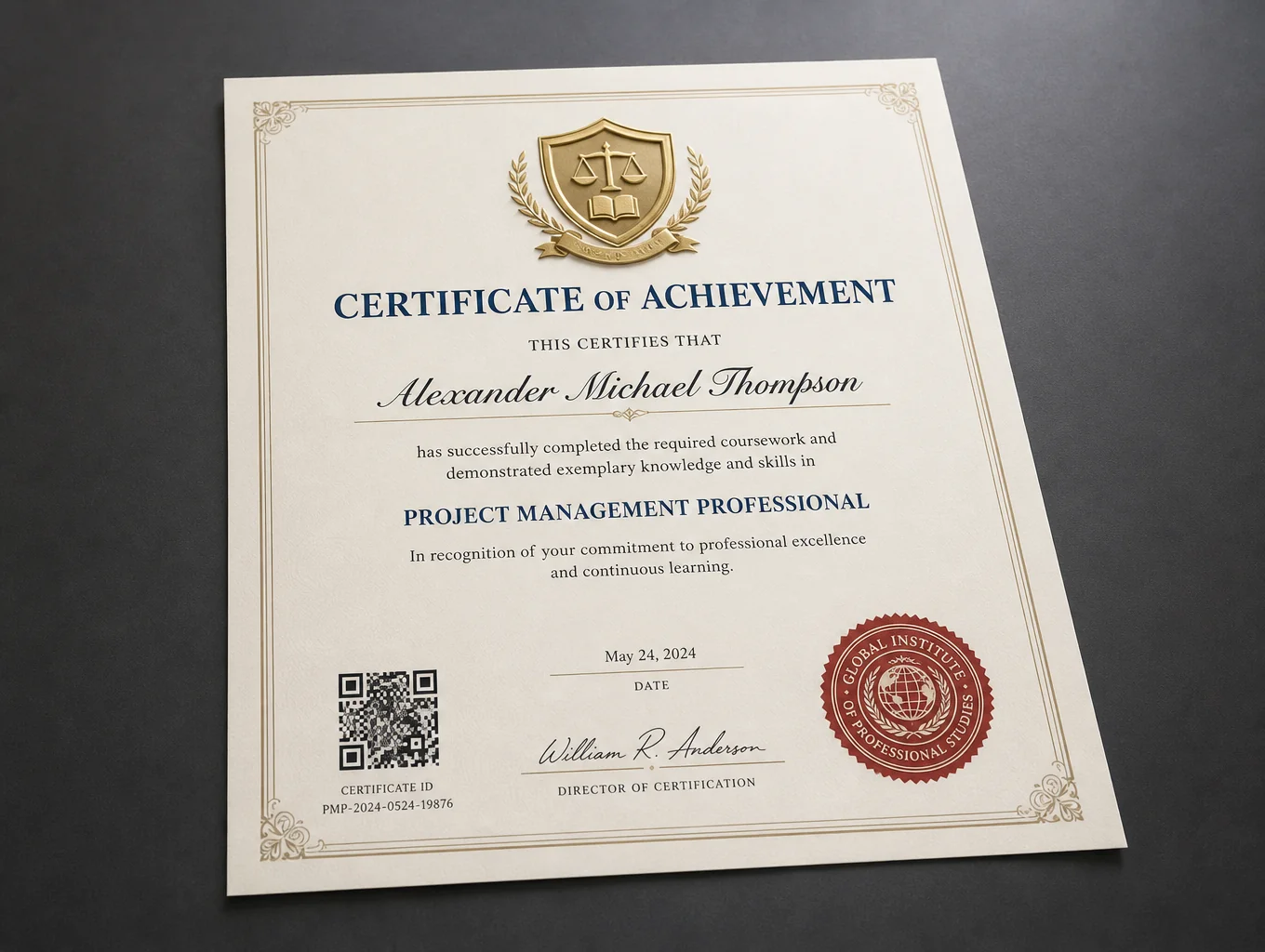
Guarantees the authenticity and integrity of the credential for public and private organizations.
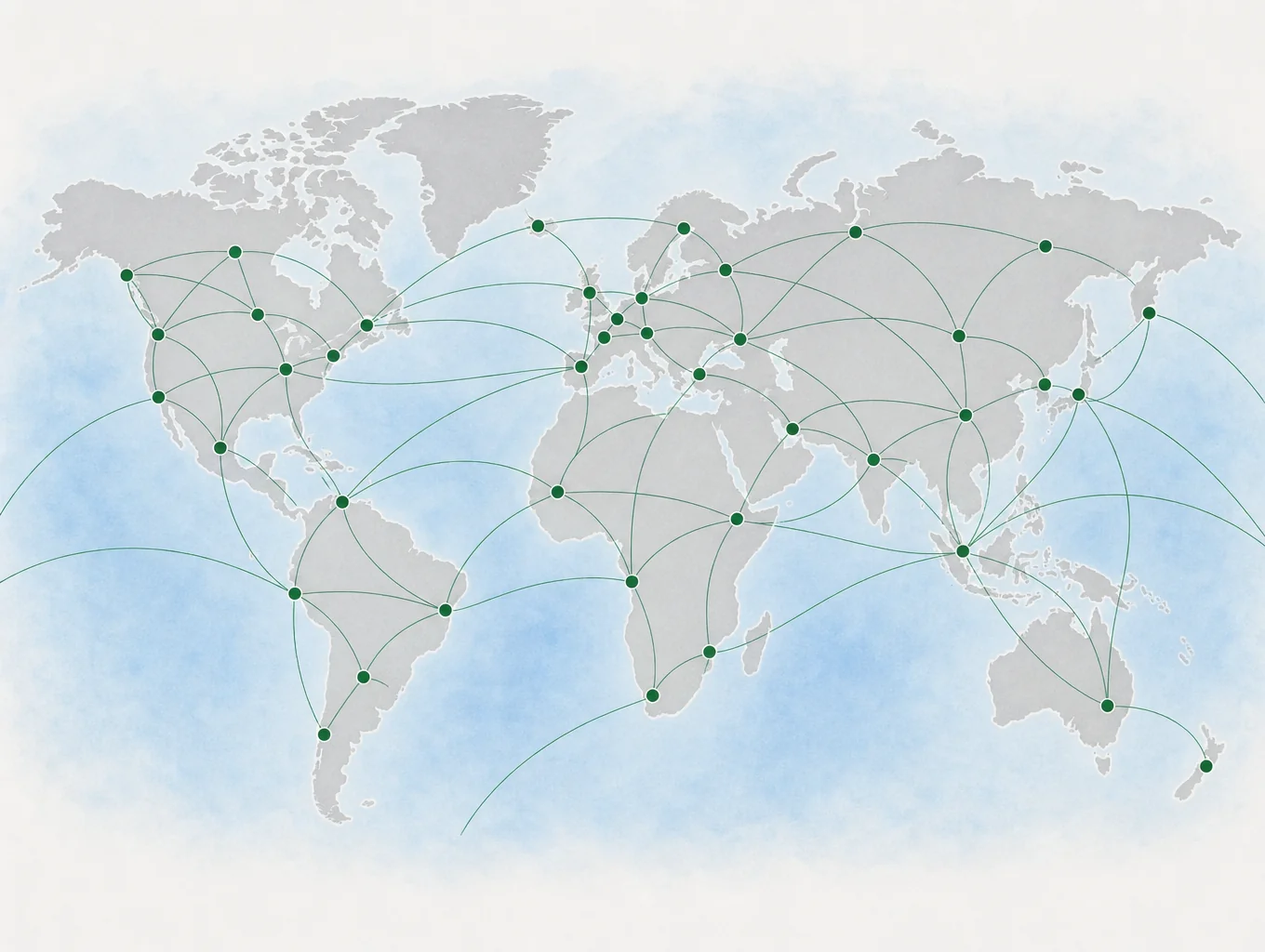
Executive headquarters in Berlin, Germany, with instructional deployment coordinated and synchronized to each requesting institution's requirements.
International reach
Training adapted to the country, language, format, and local time zone of each institution.
Interactive synchronous live classrooms with multilateral support.
Modular combination of remote sessions and applied workshops.
On-site interventions and seminars for teams and institutions.
Institutional workshops and programs adapt with scheduling and pedagogical flexibility to the participating country's time zone, enabling multidisciplinary teams to complete modules simultaneously.
Call for Applications & Institutional Requests
REGISTRATION
Professional training and international certification accredited by 360 Global Alliance Academy. Complete your details to start the process.
Loading official registration form...